

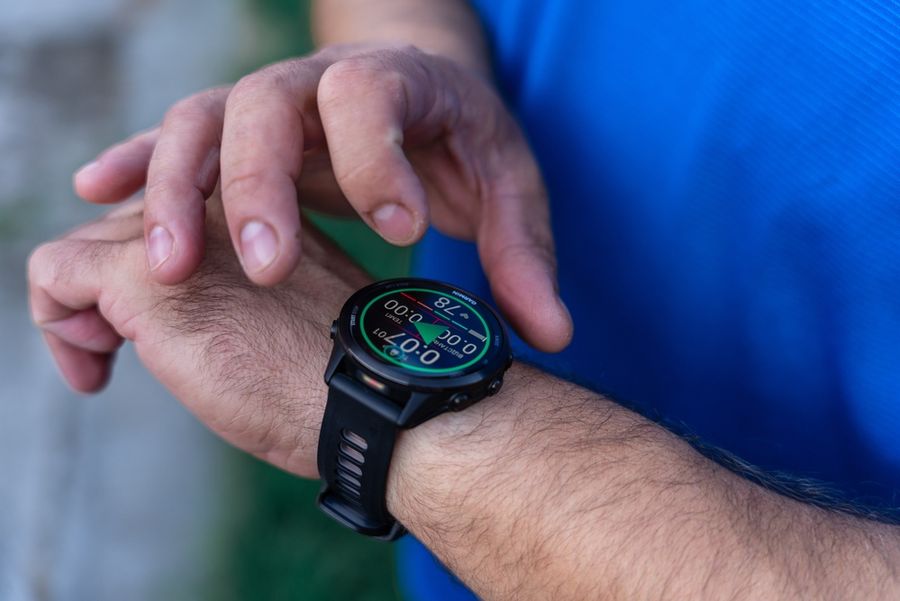
Training data becomes more useful when you can see more than pace and distance after a workout. Modern GPS sports watches can organize heart rate, training load, recovery, routes, sleep, and other information into a clearer picture of what you have been doing over time. The challenge is choosing a watch whose data actually matches your training. Fortunately, several options take different approaches to displaying and interpreting information for runners, cyclists, multisport athletes, and outdoor enthusiasts.
Decide Which Training Data You Actually Need
More metrics do not automatically make a watch more useful. A runner preparing for a race may care about training load, recovery, pace, and workout guidance, while a hiker may place greater value on maps and navigation. Triathletes need reliable switching among multiple sports, and recreational athletes may simply want workouts organized in one app.
Consider how you prefer to review information as well. Some watches emphasize on-device dashboards, while others become substantially more useful when paired with their companion apps. Choosing around the information you routinely act on can prevent a feature-heavy watch from becoming another source of numbers you rarely examine.
1) Garmin Forerunner 970: Detailed Data for Runners and Triathletes
The Garmin Forerunner 970 is designed for athletes who want a broad collection of training metrics on the wrist. It records GPS speed and distance and includes training status, training load, load ratio, training effect, VO2 max, endurance score, and training readiness. The training-readiness feature combines factors such as sleep quality, recovery, and training load to help users judge how prepared they may be for another demanding workout.
Navigation is another strength. The Forerunner 970 includes built-in maps, multi-band GPS, course creation and syncing, and round-trip routing. Battery life reaches up to 15 days in smartwatch mode.
This collection makes the 970 particularly suited to runners and triathletes who enjoy examining several dimensions of their training rather than relying primarily on basic workout summaries.
2) COROS PACE Pro: Clear Training Tools With Strong GPS Battery Life
The COROS PACE Pro balances detailed training information with an interface designed to keep workout data readable. Its 1.3-inch AMOLED touchscreen provides space for workout metrics and mapping, while global maps and turn-by-turn navigation can help runners, cyclists, and other outdoor athletes follow planned routes.
The PACE Pro offers up to 38 hours of GPS activity tracking and 31 hours when using dual-frequency GPS. It also tracks sleep, recovery, daily stress, and other wellness information. In the COROS app, training tools can be customized and reviewed alongside workout history, allowing athletes to monitor more than individual sessions. The watch can also connect with services including Strava and Apple Health.
PACE Pro makes sense for athletes who want substantial GPS endurance and mapping without making the watch itself especially bulky. Its combination of training data and long activity tracking is particularly relevant to runners who regularly extend workouts beyond shorter road sessions.
3) Polar Vantage M3: Useful for Multisport Training and Recovery Tracking
The Polar Vantage M3 takes a particularly broad approach to sports tracking. It supports more than 170 sport profiles, making it useful for people whose training week might include running, cycling, strength work, swimming, or other activities rather than one primary sport.
The watch includes dual-frequency GPS, full-color offline maps, an AMOLED display, sleep and recovery tracking, and training-load monitoring. Polar Flow provides the larger analysis environment, allowing workouts, activity, sleep, and progress to be reviewed on desktop or mobile. Battery life reaches up to seven days in smartwatch use and 30 hours in performance training mode.
The M3 is therefore worth considering when organization across different activities matters as much as race-specific running metrics. Keeping varied workouts within the same platform can make it easier to understand how an entire training week fits together.
4) Suunto Race S: Training Metrics Paired With Outdoor Navigation
The Suunto Race S combines training analysis with features aimed at outdoor activities. It offers more than 115 sport modes, offline maps, an AMOLED display, and training information centered on workload, progress, and recovery. The watch also uses heart rate variability data as part of its recovery feedback, with additional analysis available through the Suunto app.
Battery life reaches up to 30 hours of continuous training in Performance mode with multi-band GPS. Tour mode extends that figure to as much as 120 hours by reducing GPS accuracy and disabling heart rate tracking.
Those features make the Race S a strong candidate for people who divide their time between structured workouts and activities such as trail running, hiking, and longer outdoor adventures where maps and battery flexibility matter.
Turn the Numbers Into Useful Training Decisions
The best GPS sports watch is not necessarily the one that records the largest number of metrics. The Garmin Forerunner 970 offers extensive running and triathlon analysis, the COROS PACE Pro combines training tools with substantial GPS battery life, the Polar Vantage M3 organizes a wide range of sports, and the Suunto Race S blends workout information with outdoor navigation.
Before choosing, decide which numbers will actually change how you train. A clear view of workload, recovery, pace, routes, or progress is more valuable than collecting data simply because the watch can measure it. The right sports watch should make your training easier to understand, helping useful information rise above the rest of the numbers.