

Keeping a home comfortable throughout the year depends on more than the heating and cooling system. Insulation plays a major role in maintaining consistent indoor temperatures while helping reduce energy loss through walls, ceilings, and floors. With several insulation materials available, choosing the right option can feel overwhelming at first. Understanding how each type performs, where it's commonly installed, and what advantages it offers makes it much easier to select the best fit for your home and climate.
Why Home Insulation Matters
Though, we can’t typically see it, insulation plays a much more important role than you might think. For starters, home insulation acts as a barrier that slows the transfer of heat between the inside and outside of your house. During winter, it helps keep warm air indoors. During summer, it helps prevent outdoor heat from entering your living space. By reducing unwanted heat transfer, insulation helps your heating and cooling system work more efficiently while maintaining a more comfortable indoor temperature throughout the year.
Second, good insulation provides benefits beyond energy savings. It can also help reduce outside noise, improve indoor comfort by minimizing drafts, and even assist with moisture control when properly installed. Combined with air sealing around windows, doors, and other openings, quality insulation plays an important role in creating a home that's quieter, more efficient, and more comfortable in every season.
Home Insulation Types at a Glance
|
Insulation Type |
Best For |
Advantages |
Considerations |
|
Fiberglass Batts |
Walls, attics, floors |
Affordable, widely available, DIY-friendly |
Must be installed carefully to avoid gaps |
|
Blown-In Cellulose |
Existing walls and attics |
Excellent coverage around obstacles |
Professional installation is often recommended |
|
Spray Foam |
Air sealing and hard-to-reach spaces |
Outstanding insulation and air sealing |
Higher upfront cost |
|
Rigid Foam Board |
Basements, foundations, exterior walls |
High insulating value in thinner panels |
Installation requires careful fitting |
|
Mineral Wool |
Sound control and fire resistance |
Moisture resistant and durable |
Typically costs more than fiberglass |
Understanding the Most Common Types of Insulation
No single insulation material is the best choice for every home. The right option depends on factors such as where the insulation will be installed, your local climate, your budget, and whether you're insulating a new home or upgrading an existing one. Some materials focus on affordability, while others prioritize energy efficiency or moisture resistance.
Understanding the strengths of each insulation type makes it easier to compare options and determine which one best matches your home's needs. The following materials are among the most commonly used in residential construction and renovation projects.
Fiberglass Batts
- Best for: New construction and open wall cavities
- R-value: Moderate
- DIY-friendly: Yes
- Typical cost: Lower
- Strength: Affordable and widely available
Fiberglass batts remain one of the most common insulation materials because they're relatively inexpensive and straightforward to install in unfinished walls, ceilings, and floors. Available in pre-cut rolls or batts, they're designed to fit between standard wall studs and ceiling joists. When installed properly without gaps or compression, fiberglass provides dependable thermal performance and remains a practical choice for many homeowners tackling renovation projects.
Blown-In Cellulose
- Best for: Existing homes and attic upgrades
- R-value: Moderate to high
- DIY-friendly: Usually professional installation
- Typical cost: Moderate
- Strength: Excellent coverage around obstacles
Blown-in cellulose consists primarily of recycled paper fibers treated for fire and pest resistance. Because it's blown into place using specialized equipment, it easily fills small gaps, irregular spaces, and existing wall cavities without requiring major demolition. It's particularly popular for adding insulation to older homes where opening finished walls would be difficult or expensive.
Spray Foam Insulation
- Best for: Maximum energy efficiency
- R-value: High
- DIY-friendly: Professional installation recommended
- Typical cost: Premium
- Strength: Combines insulation with air sealing
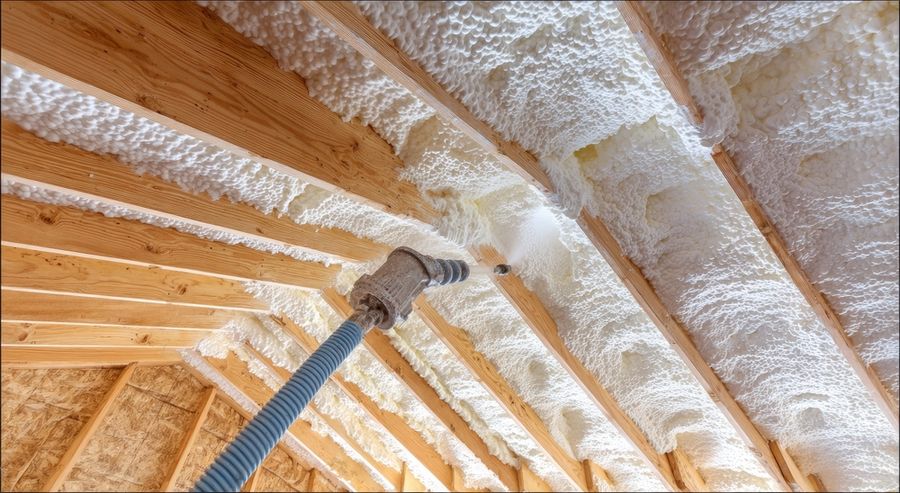
Spray foam expands after application, filling cracks and sealing small openings that other insulation materials may leave behind. Its ability to both insulate and reduce air leakage makes it one of the most energy-efficient options available. Spray foam is commonly used around rim joists, crawl spaces, attic rooflines, and other areas where stopping air movement is just as important as adding insulation.
Rigid Foam Board
- Best for: Basements, foundations, and exterior walls
- R-value: High
- DIY-friendly: Moderate
- Typical cost: Moderate to high
- Strength: High insulating value in relatively thin panels
Rigid foam board insulation comes in durable panels that provide strong thermal performance while resisting moisture. It's frequently installed against foundation walls, beneath concrete slabs, or as continuous insulation on exterior walls to reduce thermal bridging. Because it delivers excellent insulating performance without requiring significant thickness, it's often chosen where space is limited but energy efficiency remains a priority.
Mineral Wool
- Best for: Fire resistance and sound reduction
- R-value: Moderate to high
- DIY-friendly: Yes
- Typical cost: Moderate to high
- Strength: Excellent fire and moisture resistance
Mineral wool, sometimes called rock wool, is manufactured from natural rock and recycled materials. In addition to providing reliable thermal insulation, it offers impressive sound absorption and naturally resists fire, mold, and moisture. Those qualities make it a popular option for interior walls, shared living spaces, and areas where homeowners want both energy efficiency and improved noise control.
How to Compare Cost vs. Performance
When comparing insulation, it's helpful to think beyond the purchase price. Less expensive materials may provide excellent value in some situations, while higher-cost products can offer greater energy savings, improved air sealing, or longer-lasting performance. Factors such as your local climate, the part of the home being insulated, and installation costs all influence the overall value of a project.
When choosing, it's also important to consider long-term benefits. Better insulation can help lower heating and cooling costs, improve indoor comfort, and reduce strain on your HVAC system. Choosing the right material often means finding the best balance between upfront investment, expected energy savings, maintenance needs, and the specific goals you have for your home.
Where Different Types of Insulation Work Best
Different areas of a home have different insulation needs. While several materials may work well in the same location, some are particularly well suited for certain applications.
|
Area of the Home |
Commonly Recommended Insulation |
|
Attic |
Blown-in cellulose or fiberglass |
|
Exterior walls |
Fiberglass batts, blown-in cellulose, or spray foam |
|
Basement walls |
Rigid foam board |
|
Crawl spaces |
Spray foam or rigid foam board |
|
Garage walls |
Fiberglass batts or mineral wool |
|
Interior walls |
Mineral wool for added sound reduction |
The best choice ultimately depends on your home's construction, local weather conditions, and whether you're insulating a new build or upgrading an existing home. Consulting local building codes or an insulation professional can also help ensure the selected material meets recommended performance standards for your region.
Signs Your Home May Need Better Insulation
Many homes lose more energy than homeowners realize. If your insulation is aging, insufficient, or improperly installed, you may notice several warning signs throughout the year.
- Rooms that are noticeably warmer or colder than others.
- Heating and cooling bills that continue to increase.
- Drafts even after sealing doors and windows.
- Upstairs rooms that become excessively hot during summer.
- Cold floors or walls during winter.
- Your furnace or air conditioner runs almost constantly.
- Ice dams forming along the roof during winter.
- Outside noise seems unusually noticeable indoors.
One or two of these signs don't automatically mean your insulation needs replacing, but experiencing several at the same time may indicate it's worth evaluating your home's insulation and air sealing. Improving both can often make a noticeable difference in comfort and efficiency.
Frequently Asked Questions
Which insulation has the highest R-value?
Spray foam generally offers one of the highest R-values per inch among commonly used residential insulation materials. However, the best choice depends on where the insulation will be installed and the overall needs of the home.
Can new insulation be added over existing insulation?
In many cases, yes. Additional insulation can often be installed over existing material if it's dry, in good condition, and free from mold or pest damage. A professional inspection can determine whether removal is necessary before adding more.
How long does home insulation last?
Many insulation materials can remain effective for decades when properly installed and protected from moisture. However, settling, water damage, or pest activity may reduce performance over time and require replacement or upgrades.
Is spray foam always the best option?
Not necessarily. Spray foam provides excellent insulation and air sealing, but it also carries a higher upfront cost. Fiberglass, cellulose, rigid foam, and mineral wool each offer advantages depending on the project, budget, and location within the home.
Should the attic be insulated first?
For many homes, improving attic insulation provides one of the greatest opportunities for reducing heat loss because warm air naturally rises. However, the best place to begin depends on where your home is losing the most energy.
Choosing Insulation That Fits Your Home
The right insulation does more than improve energy efficiency. It helps create a home that's more comfortable, quieter, and better protected from seasonal temperature changes. Whether you're building a new house or upgrading an older one, understanding how different insulation materials perform makes it easier to choose an option that aligns with your home's design, your local climate, and your long-term goals.
Rather than focusing on a single "best" material, think about where the insulation will be installed, how much maintenance you're comfortable with, and the level of performance you're hoping to achieve. By comparing each option carefully and considering both short-term costs and long-term value, you can make an informed decision that supports comfort and energy savings for many years to come.