

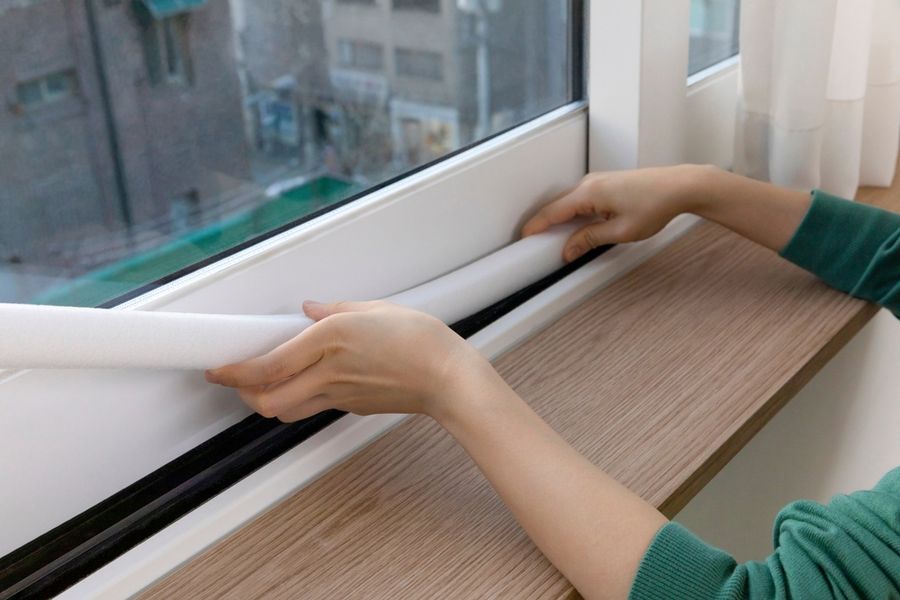
Drafty windows can make an otherwise comfortable room feel chilly, but replacing the entire window is not always necessary. Air can slip through worn weatherstripping, cracked caulk, loose sashes, and small gaps around the frame even when the glass and window itself remain serviceable. Several relatively simple fixes can reduce that unwanted airflow using materials available for existing windows. The key is identifying where the leak originates before deciding whether caulk, weatherstripping, plastic film, or another solution makes sense.
Find the Leak Before Sealing Anything
Start by determining whether the draft is coming through the movable parts of the window or from gaps around the stationary frame. On a cool or windy day, slowly move your hand around the sash, frame, trim, and meeting rails to identify noticeable air movement. A visual inspection may also reveal cracked caulk, damaged seals, or gaps where different materials meet.
A more deliberate check can make smaller leaks easier to locate. One method is to close a window over a piece of paper; if the paper pulls out easily, the seal may need attention. Air-leak checks can also include looking for gaps around window and door frames before deciding where additional sealing is necessary. Fix the specific leak you find rather than covering every edge indiscriminately.
Use Caulk on Stationary Gaps
Caulk is best suited to joints and cracks that are not supposed to move. Around a window, that can include gaps where the frame meets surrounding trim or other stationary building materials. Weatherstripping serves a different purpose and should generally be reserved for components that need to open and close.
Inspect existing caulk before simply adding another layer. Material that has cracked, separated, or deteriorated may need to be removed so the replacement can form a clean seal. Choose a caulk intended for the location and surfaces involved, and follow its instructions for preparation, application temperature, curing, and painting. Avoid sealing drainage openings or other parts of the window that are designed to remain open.
Replace Worn Weatherstripping on Moving Parts
Operable windows depend on weatherstripping to reduce airflow while still allowing the sash to move. Over time, that material can compress, tear, loosen, or wear away. If you can feel air along the edge of a closed sash, inspect the existing weatherstripping and replace sections that no longer create a reliable seal.
The appropriate material depends on the type of window and where the seal sits. Double-hung windows, for example, can use V-channel weatherstripping along portions of the sash and frame. Replacement material needs to withstand repeated friction as well as temperature and weather changes. After installing it, open, close, and lock the window several times to make sure the new material seals without preventing normal operation.
Make Sure the Window Closes Completely
A window may feel drafty simply because the sash is not closing tightly against its seals. Dirt, paint buildup, damaged hardware, or a partially engaged lock can leave a small opening even when the window appears shut. Clean the tracks and contact surfaces, then check that the sash reaches its fully closed position.
Engage all of the window locks or latches once it is closed. These components do more than provide security on many window designs; they can also pull sections of the sash together more firmly. If a latch is loose, broken, or badly misaligned, repairing that small piece of hardware may improve the seal without requiring work on the rest of the window.
Add Temporary Plastic Film for Colder Months
Clear shrink-film kits can provide another option for windows that remain uncomfortable during winter. The plastic is normally attached around the window with double-sided tape and then tightened with heat. When properly installed over the window and surrounding woodwork, the covering can reduce air leakage while adding a trapped layer of insulating air between the plastic and window.
This approach is particularly useful as a seasonal measure because it does not require replacing the window or making a permanent structural change. Careful installation matters: gaps, loose tape, and incomplete coverage can undermine the seal. Because the film can restrict normal window operation, avoid using it where the window must remain available for ventilation or emergency egress.
Use Curtains and Shades to Improve Comfort
Curtains, cellular shades, and other window coverings do not repair air leaks around the frame, so they should not substitute for caulk or weatherstripping when a genuine gap is present. They can, however, make a seating or sleeping area near a cold window feel more comfortable by providing another layer between the room and the glass.
During cold sunny days, opening coverings can allow sunlight into the room, while closing them after dark can help reduce the uncomfortable effect of cold window surfaces. Keep curtains and other fabrics safely clear of portable heaters, radiators, baseboard heaters, and other heat sources. Treat coverings as a comfort improvement after obvious air leaks have been addressed rather than as the primary draft repair.
Know When the Problem Goes Beyond a DIY Seal
Not every cold sensation around a window is caused by moving air. Older glass can feel cold during winter even when the surrounding joints are reasonably tight, and damaged insulated-glass units can have problems that caulk or weatherstripping cannot correct. Water intrusion, rotted framing, persistent condensation between panes, or a sash that no longer fits correctly may require professional evaluation.
If drafts remain after sealing visible gaps, inspect the surrounding trim as well. Air can sometimes enter through the space between the window unit and the wall framing rather than through the sash itself. Addressing a hidden opening may involve removing trim or using materials such as appropriate foam or backer rod, which can turn a simple weekend repair into a more involved project.
Make Existing Windows More Comfortable
Reducing drafts does not have to begin with ordering new windows. Start by locating the actual leak, then match the repair to the problem: caulk stationary cracks, replace worn weatherstripping on moving joints, make sure locks close the sash firmly, and consider seasonal plastic film where additional winter protection is useful.
Work through one window at a time and test it after each change. That approach makes it easier to see which repairs actually improve comfort and prevents unnecessary work on parts that were already functioning properly. When the window itself remains sound, a few careful sealing improvements can often make the surrounding room noticeably more comfortable without undertaking a full replacement project.