

Bathrooms collect a surprising number of small items, from toiletries and towels to grooming tools, cleaning supplies, and spare paper products. When everything competes for limited counter and cabinet space, even a clean room can look disorganized. Wall-mounted storage offers another option by using vertical space that might otherwise remain empty. With a few carefully placed shelves, cabinets, hooks, and organizers, you can move everyday necessities off crowded surfaces while keeping them easy to reach.
Move Everyday Items Off the Counter
Start with the items that permanently occupy the sink or vanity. Toothbrushes, skincare products, shaving supplies, and hair products may all be used regularly, but that does not mean they need to remain spread across the countertop. A shallow wall cabinet or small shelf near the vanity can provide a dedicated place for the products you reach for every morning and evening.
Wall cabinets are particularly useful in compact bathrooms because they add storage without consuming additional floor space. Choose a depth that will not protrude awkwardly into a narrow walkway, and place frequently used items on the easiest-to-reach shelves. Reserve higher shelves for backup toiletries or supplies you use less often.
Make Use of the Wall Above the Toilet
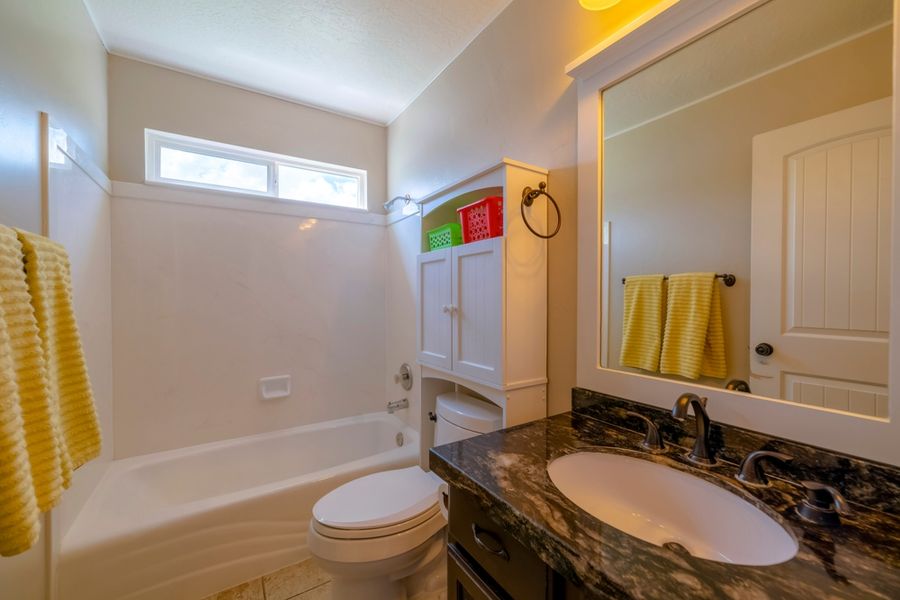
The wall above a toilet is often left empty even when storage elsewhere is limited. A wall-mounted cabinet or set of shelves can turn that unused vertical area into space for toilet paper, folded towels, tissues, and other bathroom essentials. Over-the-toilet storage is specifically designed to take advantage of space that otherwise contributes little to the room.
Keep the arrangement practical rather than filling every inch. Items you need frequently should remain within comfortable reach, while decorative objects can occupy higher shelves. Closed cabinet doors are useful for products that create visual clutter, while one open shelf can hold neatly folded towels or a small basket without making the area look overloaded.
Combine a Mirror With Hidden Storage
If the bathroom already needs a mirror above the sink, a wall-mounted medicine cabinet can make the same area perform two jobs. Instead of adding another storage piece beside the vanity, the mirror itself can conceal shelves for medication, grooming supplies, dental products, and other small necessities. Surface-mounted versions can add this storage without requiring the wall cavity needed for a recessed cabinet.
Use the interior shelves strategically. Keep daily necessities near eye level, less frequently used items higher up, and small products grouped together so they do not disappear behind larger bottles. Avoid filling the cabinet with expired medication or toiletries you no longer use; wall-mounted storage works best when it gives useful items a defined home rather than simply hiding excess possessions.
Add Hooks and Rails Where Cabinets Will Not Fit
Not every open wall can accommodate a cabinet or shelf. Narrow strips beside a vanity, behind a door, or near the shower can still become useful storage with hooks, towel bars, or short rails. These are particularly effective for items that otherwise end up draped over furniture, piled on counters, or dropped on the floor.
Assign hooks according to how the bathroom is used. One might hold a robe, while another handles a hand towel or toiletry bag. A rail with removable hooks can accommodate lightweight baskets or frequently used grooming accessories. Keep anything electrical well away from wet areas, and avoid hanging so many objects on one section of wall that the storage itself starts to look cluttered.
Keep Open Shelves Organized With Containers
Open wall shelves create useful storage quickly, but they can also look cluttered when every bottle, tube, and package is displayed individually. Baskets and bins can group toiletries together and keep smaller items contained rather than scattered across the shelf.
Choose containers according to how often you use their contents. Shorter bins can keep frequently used products accessible, while less-used supplies can sit farther back or higher up. Avoid filling every inch of the shelf; leaving some open space can make the storage easier to use and keep the arrangement from appearing overcrowded.
Install Shelves and Cabinets Securely
Wall-mounted storage needs to support both its own weight and whatever you place on it. Before drilling, determine how the unit is meant to be attached and locate wall studs when possible. If a mounting point cannot reach a stud, use wall anchors that are appropriate for the wall material and rated to support the expected load.
Bathrooms require additional care because plumbing and electrical wiring may run behind walls near sinks, outlets, drains, and fixtures. Check the installation instructions for the storage unit and be cautious about drilling near these areas. Heavy cabinets or shelves that will carry substantial loads may be better installed professionally if you are uncertain about the wall construction or mounting method.
Store Less Before Adding More Storage
Wall storage can create room, but it cannot solve clutter indefinitely if the bathroom contains far more products than you actually use. Before installing another shelf, sort through toiletries, towels, cosmetics, cleaning products, and grooming tools. Dispose of or appropriately recycle empty containers and remove products you no longer need.
Then assign the remaining items according to frequency of use. Everyday products deserve the most accessible positions, while backups can move higher. Items used only occasionally may belong elsewhere in the home. This approach prevents the new storage from becoming full immediately and makes it easier to maintain clear counters after the project is finished.
Let the Walls Do More of the Work
Reducing bathroom clutter does not necessarily require a larger vanity or another piece of floor-standing furniture. Empty wall space can hold cabinets, shelves, hooks, rails, and organized containers while leaving valuable floor and counter space available for everyday use.
Start with the areas where clutter repeatedly accumulates and add storage specifically for those items. A medicine cabinet can organize small toiletries, shelves can handle towels and supplies, and hooks can keep frequently used items off the floor. When every wall-mounted element has a clear purpose, a crowded bathroom can become easier to use without filling the room with more furniture.